Inside the 2025 Symposium: Key Insights & Takeaways
Inside the 2025 Symposium: Key Insights & Takeaways
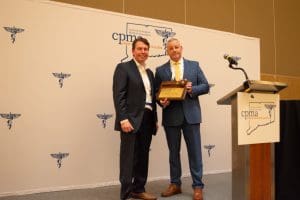
Thank you to everyone who joined us at the 2025 CPMA Symposium. Your participation, questions, and engagement helped make this year’s program both energizing and deeply informative for Connecticut’s podiatric community. Over the course of two days, attendees explored timely clinical updates, surgical insights, dermatologic advancements, business and compliance guidance, and practical strategies that will shape the future of podiatric care.
The following recap highlights key takeaways from each session to help you revisit the education shared throughout the weekend or catch up on presentations you may have missed.
_______________________________________________________________________________________________________________
Mitigating Risk in Foot and Ankle Surgery
Speaker: Gabriel V. Gambardella, DPM, FACFAS, Section Chief, Foot and Ankle Surgery, – St. Francis Hospital
Dr. Gabriel Gambardella delivered a comprehensive review of risk management principles across the full surgical timeline. He emphasized that effective mitigation begins long before the patient enters the operating room. Pre-operative optimization, including smoking cessation, A1c control, assessment of compliance, and thorough patient counseling, remains the most powerful way to reduce complications. Dr. Gambardella highlighted the importance of clear, detailed consent conversations that align patient expectations with realistic outcomes.
During the intra-operative phase, he stressed the value of meticulous technique, sterile vigilance, appropriate tourniquet use, and minimizing operative time when possible. Post-operative strategies focused on early detection of complications, consistent communication with patients, and prompt escalation of care when needed. Dr. Gambardella also reviewed malpractice trends in foot and ankle surgery, underscoring documentation quality, patient education, and strong physician–patient relationships as critical factors in reducing litigation risk.
His central message was clear: surgical risk cannot be eliminated, but with thoughtful planning, careful technique, and open communication, it can be significantly reduced while improving patient outcomes.
_______________________________________________________________________________________________________________
Utilizing AI for Lower Extremity Dermatology and Diagnostics in Practice
Speaker: Bela Pandit, DPM, FACFAS
Dr. Bela Pandit delivered an engaging and forward-looking session on how artificial intelligence is beginning to influence dermatology, diagnostics, and daily clinical workflow in podiatric practice. She outlined how AI tools draw from large datasets to support image analysis, pattern recognition, and decision support, and she highlighted emerging applications in skin lesion evaluation, diabetic wound assessment, and workflow efficiency.
While AI offers opportunities for better diagnostic accuracy, improved documentation, and enhanced surgical planning, Dr. Pandit emphasized that these technologies also bring challenges, including patient trust, privacy concerns, accuracy limitations, and the risk of overreliance on unvalidated tools. She noted that AI cannot replace clinical judgment, physical examination, or the need for biopsies, but it may become a valuable adjunct as systems evolve.
Her presentation encouraged practitioners to understand both the potential and the limitations of AI and to prepare for a future where these tools will increasingly support clinical decision-making.
_______________________________________________________________________________________________________________
Skin Cancer in Skin of Color
Speaker: Bela Pandit, DPM, FACFAS
Dr. Bela Pandit delivered a powerful and eye-opening presentation on the prevalence, detection, and clinical challenges of skin cancer in patients with skin of color. She emphasized that although incidence rates are lower in darker skin tones, delayed diagnosis is significantly more common, leading to more advanced disease and poorer outcomes at the time of presentation. In particular, she noted that melanoma in skin of color often appears on non–sun–exposed areas such as the soles, palms, and nail units, making early recognition essential.
Her session reviewed the most common lower extremity skin cancers, key visual features clinicians should watch for, and the importance of routine comprehensive skin exams. Dr. Pandit emphasized that podiatrists are often the first or only healthcare providers to examine the feet closely, and therefore play a crucial role in early detection. She strongly encouraged frequent use of punch biopsies when evaluating suspicious lesions, chronic ulcers that do not heal, and any area with changes in color, shape, or elevation.
The presentation concluded with practical guidance on biopsy techniques, referral considerations, and the importance of approaching skin cancer screening without assumptions tied to race or skin tone. Her message was clear: early detection saves lives, and podiatrists must maintain vigilance across all patient populations.
_______________________________________________________________________________________________________________
Complications Panel
Speaker: Michael I. Gazes, DPM, MPH, FACFAS, and Panel
The Complications Panel brought together experienced surgeons for a candid conversation about real challenges encountered in foot and ankle surgery. The session focused on recognizing complication patterns early, strengthening decision-making, and improving communication with patients throughout the postoperative course. Panelists emphasized how patient compliance, comorbidity management, and clear pre-operative counseling directly influence outcomes.
Discussion centered on practical strategies for anticipating risks, addressing problems as soon as they arise, and maintaining trust with patients when complications occur. The panel reinforced that complications are an unavoidable reality in surgical practice, but thoughtful planning, consistent follow-up, and proactive patient education can significantly improve safety and satisfaction.
_______________________________________________________________________________________________________________
Resident Research Highlights
Speakers: Dr. Fionna Williamson, Dr. Lauren Stevens, Dr. William Stallings, and Dr. Aashi Modi

Our podiatric residents shared a series of strong, clinically focused presentations that reflected both rigorous inquiry and meaningful real-world relevance. Their work explored key surgical challenges, regenerative approaches, and rare pathologies seen in practice.
Dr. Fionna Williamson examined how pre-operative anemia affects outcomes after ankle ORIF, identifying higher complication rates and extended hospital stays in anemic patients. Dr. Lauren Stevens presented a staged fat-grafting reconstruction for traumatic heel pad loss, demonstrating improved function and long-term cushioning. Dr. William Stallings reviewed a structured approach to revising first TMTJ nonunion, emphasizing biologic support and stable hybrid fixation. Dr. Aashi Modi shared a rare case of tumoral calcinosis in the foot, highlighting the diagnostic complexity of soft-tissue calcifications in patients with advanced systemic disease.
Together, these resident presentations showcased thoughtful analysis, innovative techniques, and a strong commitment to advancing foot and ankle care.
_______________________________________________________________________________________________________________
Cybersecurity Made Simple: How to Keep Your Practice Protected
Speaker: Courtney Beale, Lead Underwriter, Tokio Marine HCC – Cyber & Professional Group

Courtney Beale delivered a practical and eye-opening session on the rising cybersecurity threats facing podiatric practices of all sizes. She highlighted why healthcare remains the top-targeted industry for data breaches, driven by the high value of patient information, increased system interconnectedness, and common gaps in basic security controls. Attendees gained a clearer understanding of today’s biggest risks, including phishing schemes, ransomware attacks, and vulnerabilities created by employee error.
Key takeaways included the importance of staff training, strong administrative and technical controls (such as multi-factor authentication, phishing filtering, and offline backups), and having a well-defined incident-response plan. Beale also emphasized the role of cyber insurance in helping practices respond to and recover from an attack. Her message was straightforward: cybersecurity is no longer “an IT problem,” it is a shared responsibility across the entire practice.
_______________________________________________________________________________________________________________
Adipose Matrix in Limb Salvage: Preserving Limbs, Preserving Lives
Speaker: Dr. Lady Paula DeJesus, DPM, FACFAS, DABPM, CWSP, Chief of Podiatry– Yale New Haven Health Greenwich Hospital
Dr. Lady Paula DeJesus presented an in-depth look at the use of adipose matrix therapies in limb preservation, focusing on patients with chronic diabetic wounds and fat pad atrophy. She explained how adipose-derived injectable allografts act as a biologic scaffold that supports angiogenesis, reduces inflammation, and restores a pro-healing environment. The session covered appropriate patient selection, clinical indications, contraindications, and current evidence from trials showing improved healing rates and faster tissue regeneration.
Dr. DeJesus also shared clinical cases that illustrated the regenerative benefits of adipose matrices in preventing amputation and improving long-term outcomes. Her central message emphasized the value of a minimally invasive approach that enhances healing, restores lost volume, and strengthens limb-salvage strategies for high-risk patients.
_______________________________________________________________________________________________________________
Managing Today’s Workforce
Speaker: Deb Marchese
Deb Marchese delivered an engaging session on the realities of leading a multigenerational workforce and the strategies podiatric practices can use to strengthen culture, communication, and staff performance. She outlined the defining traits, motivations, and communication preferences of today’s five working generations and highlighted how understanding these differences can improve teamwork and patient experience.
The presentation focused on practical steps employers can take to create a strong, high-trust workplace culture. Key themes included demonstrating consistent leadership, prioritizing employee well-being, encouraging collaboration, and supporting ongoing skills development. Marchese also emphasized the importance of flexibility, especially around scheduling and workflow, and noted how technology and data-driven insights can support operational efficiency and accountability.
Her central message reinforced that effective workforce management requires adaptability, clear communication, and an environment where employees feel valued, supported, and aligned with organizational goals.
_______________________________________________________________________________________________________________
Top 10 Most Common Podiatric Referrals
Speaker: Kristen Winters, DPM, FACFAS

Dr. Kristen Winters delivered an engaging overview of the conditions most frequently referred to podiatric physicians, highlighting the broad range of sources that drive patients to seek care, from primary care providers and family recommendations to social media and community networks. She walked attendees through the most common clinical issues encountered in practice, including heel pain, Achilles tendinitis, bunions, hammertoes, neuromas, ingrown nails, hallux rigidus, gout, and diabetic foot complications.
The session emphasized the importance of clear diagnosis, appropriate conservative care, and timely referral escalation when needed. Dr. Winters reviewed treatment options ranging from stretching, orthotics, injections, and shockwave therapy to surgical interventions for deformity correction, joint reconstruction, and chronic conditions. She also highlighted the podiatrist’s critical role in identifying severe underlying pathology, such as ulcers that may progress to infection or lesions that warrant biopsy for melanoma rule-out.
Dr. Winters emphasized that podiatrists remain a key access point for lower extremity health, and that strong relationships with referring providers and community members help ensure early intervention and better outcomes for patients across a wide range of foot and ankle conditions.
_______________________________________________________________________________________________________________
Medical Practice Collections: What We Should and Should Not Do
Speaker: Deb Marchese
Deborah Marchese led a practical and highly relevant session on strengthening medical practice collections and reducing the volume of patient debt that goes uncollected. Citing recent HFMA data showing that practices capture only a small portion of patient-responsibility balances, she emphasized the importance of clear communication, consistent processes, and strong front-end financial practices.
Attendees learned how to calculate their practice’s bad debt percentage and identify common patterns that lead to nonpayment. Marchese walked through effective phrasing for requesting copayments and outstanding balances, stressing language that places responsibility on the patient rather than the staff. She emphasized the importance of confidence, accuracy, and professionalism in financial conversations, as well as the necessity of documenting follow-up and avoiding leaving interactions without a clear next step.
The session also highlighted the importance of staff training, rotating responsibilities to prevent patient familiarity, and understanding state guidelines and collection procedures. Her message emphasized equipping teams with the necessary tools and communication skills to maintain financial stability while promoting a respectful and patient-centered approach.
_______________________________________________________________________________________________________________
Rearfoot and Ankle Surgery: Billing and Coding Essentials
Speakers: Michael I. Gazes, DPM, MPH, FACFAS, and Michael Fein, DPM
Dr. Michael Gazes and Dr. Michael Fein led an informative session on billing and coding practices for rearfoot and ankle surgery. The presentation focused on helping surgeons understand how to select accurate CPT codes, interpret wRVU values, and navigate global periods and MUE limitations. Both speakers emphasized that clear documentation is the foundation of accurate coding and reimbursement, and they stressed the importance of consistency in operative reports to support coding decisions.
The session also highlighted common areas of confusion in foot and ankle billing and offered guidance on using reliable coding resources to stay current. Attendees left with a stronger understanding of how accurate coding supports compliance, reduces denials, and protects the financial health of a practice.
_______________________________________________________________________________________________________________
Basics of DME Claims and How to Protect Yourself
Speaker: Paul Kesselman, DPM, Chair, APMA DME Workgroup
Dr. Paul Kesselman delivered a comprehensive overview of DME billing, documentation, and compliance, offering practical guidance to help providers reduce denials and avoid costly audit findings. He reviewed common enrollment pitfalls, inspection requirements, and essential billing standards, emphasizing the importance of accurate HCPCS selection, correct use of modifiers, and strict adherence to LCD and policy language.
The session highlighted the growing scrutiny surrounding DME claims and the high audit rates faced by suppliers. Dr. Kesselman outlined how to manage “same or similar” issues, navigate appeals, and protect oneself during RAC, CERT, and TPE reviews. He also provided detailed insight into therapeutic shoe documentation, AFO coverage rules, and surgical dressing policies, reinforcing the need for consistent recordkeeping and clear medical necessity.
His key message encouraged providers to focus on one product category, learn it thoroughly, and ensure that EMR templates and workflows fully align with Medicare requirements to support cleaner claims and stronger audit outcomes.
_______________________________________________________________________________________________________________
Minimally Invasive Approach to Hallux Valgus Surgery
Speaker: David A. Sipala, DPM, FACFAS
Dr. David Sipala delivered a comprehensive overview of minimally invasive techniques for hallux valgus correction, tracing the evolution of MIS surgery from early percutaneous methods to modern third-generation approaches with rigid internal fixation. He reviewed indications for MIS correction across the forefoot, midfoot, and hindfoot, as well as the equipment, burr selection, and procedural steps that support safe and effective outcomes.
The session highlighted the advantages of MIS, including smaller incisions, reduced soft tissue disruption, faster rehabilitation, and strong patient satisfaction when performed on appropriately selected candidates. Dr. Sipala emphasized that success with MIS relies on precise technique, careful use of cutting burrs, continuous saline irrigation, and adherence to low-speed, high-torque principles. He also discussed challenges such as achieving and maintaining correction, preparing joint surfaces through limited incisions, and ensuring proper fixation constructs for early weightbearing.
Special consideration was given to rheumatoid arthritis patients, for whom MIS may be limited to mild or moderate deformities and requires strict postoperative protocols due to concerns about bone quality. Dr. Sipala concluded by highlighting emerging MIS applications, including Lapidus and first MPJ arthrodesis techniques, and underscored the importance of training, repetition, and thoughtful patient selection.